
_edited.png)
Essential Guide to Choosing Stylish UV Protection Sunglasses for Seniors in 2026
- Jay from west sight optical
- 18 hours ago
- 3 min read
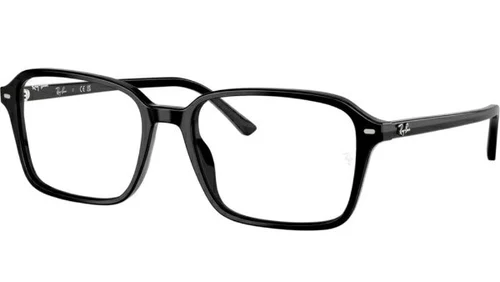
Protecting your eyes from the sun’s harmful rays becomes more important as you age. Seniors face a higher risk of eye conditions caused by UV exposure, making the right sunglasses not just a fashion choice but a health necessity. In 2026, finding sunglasses that combine effective UV protection, comfort, and style is easier than ever. This guide will help you understand why UV protection matters for older eyes, which lens types and tints work best, current trends in sunglasses for seniors, and practical tips for selecting the perfect pair.
Why UV Protection Is Critical for Older Eyes
As we grow older, our eyes become more vulnerable to damage from ultraviolet (UV) rays. Prolonged exposure to UV light can increase the risk of cataracts, macular degeneration, and other eye diseases that affect vision quality. The natural lens inside the eye also becomes less effective at filtering UV rays with age, making external protection essential.
Wearing sunglasses that block 100% of UVA and UVB rays helps reduce this risk. It also prevents eye strain and discomfort caused by glare, which can be more pronounced for seniors. Choosing sunglasses with proper UV protection supports long-term eye health and helps maintain clear vision.
Best Lens Types and Tints for Seniors
Choosing the right lenses can improve comfort and visibility while protecting your eyes. Here are some lens options that work well for seniors:
Polarized lenses
These lenses reduce glare from reflective surfaces like water, roads, and cars. They improve contrast and reduce eye strain, making them ideal for outdoor activities such as walking or driving.
Photochromic lenses
Also known as transition lenses, these darken automatically in sunlight and clear up indoors. They offer convenience for seniors who move frequently between different lighting conditions.
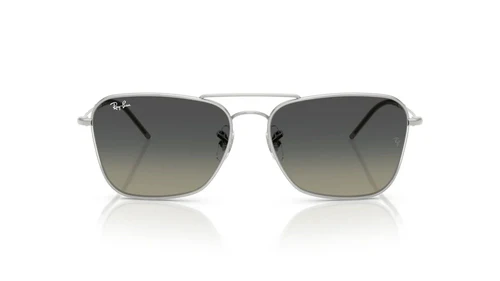
Gradient lenses
These lenses are darker at the top and gradually lighten toward the bottom. They shield your eyes from overhead sunlight while allowing clear vision for reading or close-up tasks.
Amber or brown tints
These colors enhance contrast and depth perception, which can decline with age. They work well in variable light conditions and improve clarity.
Gray tints
Gray lenses reduce overall brightness without distorting colors. They are a good choice for bright, sunny days and provide natural color perception.
Avoid lenses that are too dark or have unusual colors, as they can reduce visibility and cause discomfort.
Stylish Sunglasses Trends for Older Adults in 2026
Seniors no longer have to choose between style and function. In 2026, many brands offer fashionable sunglasses designed specifically for older adults, combining comfort with modern aesthetics. Popular trends include:
Lightweight frames
Materials like titanium and acetate provide durability without heaviness, making glasses comfortable for all-day wear.
Classic shapes with a modern twist
Styles such as oversized round frames, aviators, and rectangular shapes remain popular but now come with updated details like subtle patterns or color accents.
Neutral and soft colors
Shades like tortoiseshell, soft gold, and muted blues complement a wide range of skin tones and outfits.
Adjustable nose pads and flexible hinges
These features improve fit and reduce pressure on the nose and ears, which is important for seniors with sensitive skin or arthritis.
Prescription-ready designs
Many stylish frames can accommodate prescription lenses, allowing seniors to combine vision correction with UV protection.
Tips for Choosing the Right Pair of Sunglasses
Selecting the perfect sunglasses involves more than just picking a favorite style. Here are some practical tips to guide your choice:
Check for 100% UV protection
Always verify that the sunglasses block 100% of UVA and UVB rays. Look for labels or ask the retailer for certification.
Consider your lifestyle
Think about where and when you will wear the sunglasses. For example, polarized lenses are great for driving and outdoor activities, while photochromic lenses suit those who move between indoors and outdoors frequently.
Prioritize comfort
Choose frames that fit well without pinching or slipping. Lightweight materials and adjustable features can make a big difference.
Try different lens tints
Test how various tints affect your vision in different lighting conditions. Amber or brown tints often enhance contrast, which can help with depth perception.
Think about your face shape
Certain frame shapes complement different face shapes. For example, round frames soften angular faces, while rectangular frames add structure to round faces.
Don’t forget style
Pick a pair that makes you feel confident and matches your personal style. Sunglasses are an accessory that can enhance your overall look.
Consult an eye care professional
If you have specific eye conditions or need prescription lenses, talk to your optometrist about the best options for your needs.

Comments